Turning Pitch Into Story

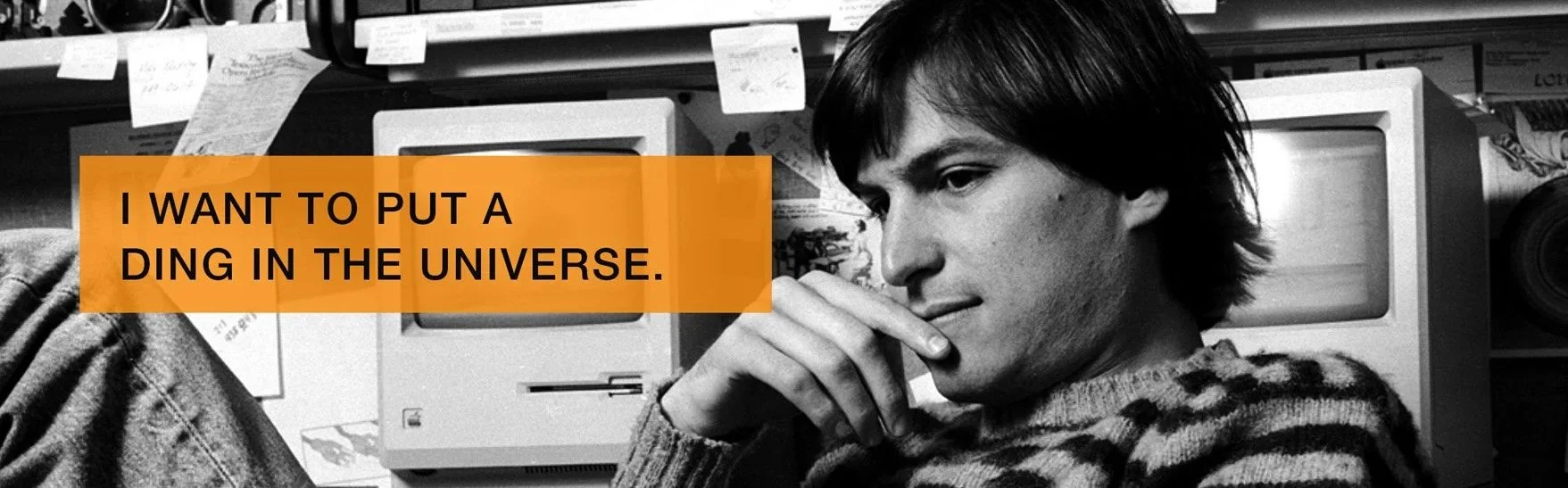
Steve Jobs revolutionized product promotion by selling emotions and lifestyle aspirations. His presentations looked and sounded as far from any standard pitch as possible. Highly theatrical keynotes and extreme message simplicity replaced the dull drone of technical specifications. By giving as few details as possible, minimal explanation and zero process, Jobs redefined what marketing was "supposed" to be.
Apple created a deeply loyal, tribal consumer base by understanding that passion attracts while pitch alienates. Story over statistic, every time, all the time:
1. Sell feelings instead of features.
2. Lean into recognizable hooks and accessible lived experiences.
3. Market to the heart, not the head.
4. Invite investment rather than purchase.
About ME or About US

Yesterday, our older daughter delivered her final presentation before graduating from NYU's Clive Davis Institute of Recorded Music. She walked into a blind room filled 25 stone-faced industry execs, agents, A&R reps, producers, and educators. Nothing but blank expressions and "prove it" demeanors, one last nerve-wracking test of a BFA pursuit. She nailed it, in part by offering a connective story instead of the typcial basic advertisement.
Slide one made About Me into About Us and Our Industry. Slide two showed client testimonials praising her skills, but adapted to why these artists elevate the market and the gifts of their partnership. Slide three redirected her visions and goals toward future realities and collective evolution of the entire pop music genre. Lots of head nods.
Presentations that clearly pitch a product scream desperation and prioritize financial gain. Differentiation occurs when a pitch evolves into an inclusive raise-all-boats story that feels familiar and personally empowering to all who hear it. This shift will bear measurable fruit with any C-suite, client, or session audience. It's not about subjugating the product or ask; successful story draws a clear line from what we want someone to know to what they most want to achieve.

What are we really selling?
Most speakers think they're selling their company's solutions when in truth they're selling something completely different. McDonald's is in the real estate business, not the fast food business. Anheuser Busch is in the celebration business, not the beer business. Nike is in the personal empowerment business, not the shoe business.
Apple under Steve Jobs wasn't pitching devices; they were marketing dreams. "Think Different" was designed to sell machines by tapping into who and where we all desire to be:
"Here’s to the crazy ones, the misfits, the rebels, the troublemakers, the round pegs in the square holes … the ones who see things differently — they’re not fond of rules … You can quote them, disagree with them, glorify, or vilify them, but the only thing you can’t do is ignore them, because they change things …They push the human race forward, and while some may see them as the crazy ones, we see genius, because the ones who are crazy enough to think that they can change the world are the ones who do."
See the technology and performance metrics in that story? Nope. Proof they don't need to be the stars of your story either in order to make the message stick.
Bottom Line
While the product is always at the heart of a talk, its heart beats loudest when the story of that product centers on the customer’s dream. Even if they don't really understand exactly what that dream is. Like Jobs, we all hope to “put a ding in the universe;” smart communicators recognize they'll only ding an audience by giving them the message they actually want to hear.
Julia just dinged the last box of her BFA. On Friday we'll watch her graduate, then step out into the very real world of pop music production and engineering. The story she tells artists, studios, and labels will determine how much impact she offers, and how many sales opportunities she creates. If she shows genuine passion in every pitch, you'll start to hear her tracks in your Spotify streams.