The 2026 AI Story Could Be Backlash
In 1994, Dove kicked off its #KeepBeautyReal campaign to celebrate women in their natural, unenhanced state. 22 years on, their mission has grown to be stronger and necessary than anyone at Dove could have anticipated. Thanks to AI. Dove claims one in three women feel pressure to alter their appearance because of what they see online, even when they know up to 90% of images are fake or AI-generated. As a result, Dove has vowed never to use AI to create or distort women's images in their marketing.
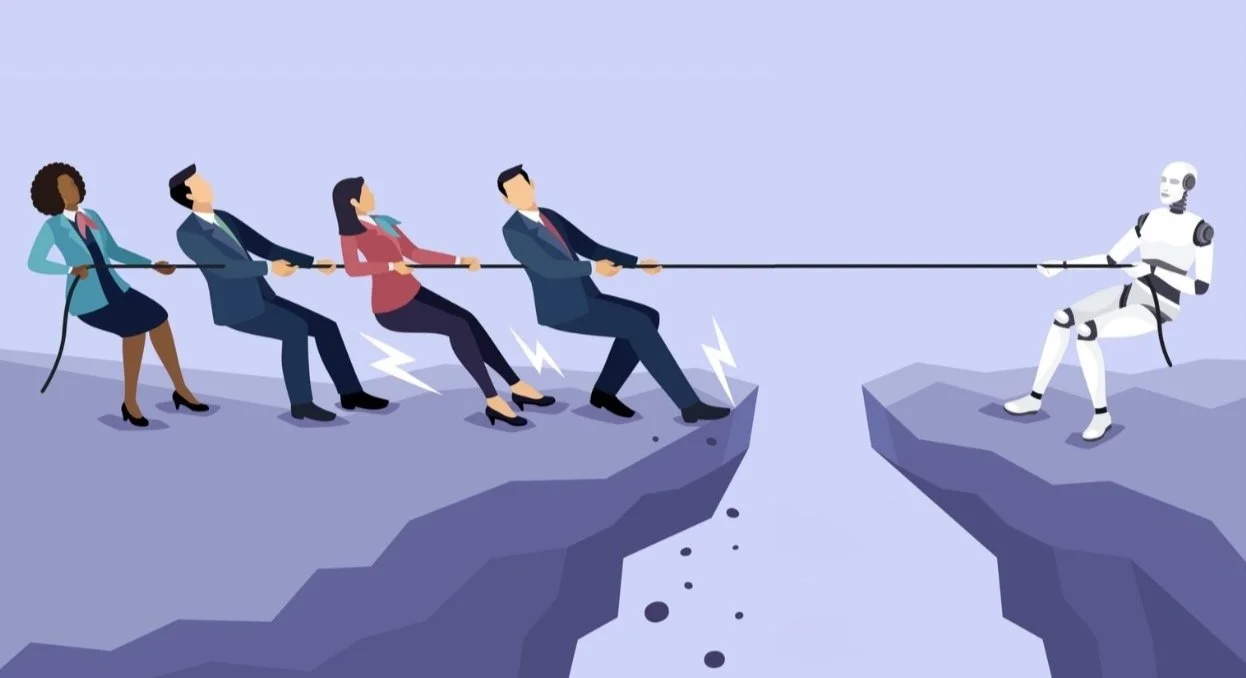
This backlash story is becoming louder and more frequent as organizations and their people attempt to navigate the possibilities and pressures of our new technology Wild West. What started with Alan Turing at Bletchley Park, and was officially coined as "Artificial Intelligence" by John McCarthy and Marvin Minsky at the Dartmouth Conference in 1956, has suddenly and rapidly grown into all the rage, all the time. AI seems to be the only story anyone is telling, everyone is pushing, and many are resisting.
What happens when the big trend in #CorporateStorytelling runs up against mass audiences that know they should lean in, but feel themselves leaning away?
Revolutionary or Revolting?
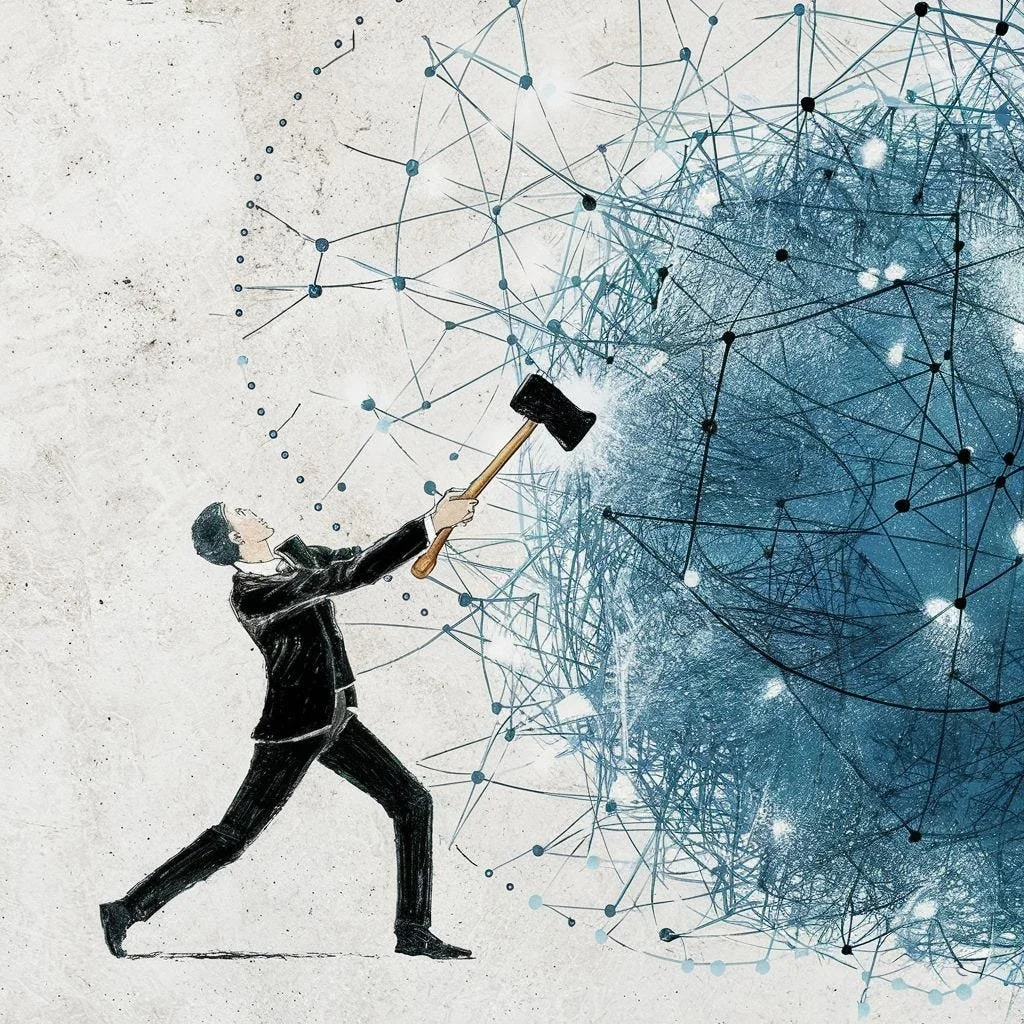
Two days before the end of 2025 and the biggest year AI has seen to date, Forbes posed an important question: Is The (AI) Revolution Over Before It’s Even Begun? Forbes, like so many, dared to suggest AI may not necessarily – or inevitably – be the overwhelming, inevitable panacea force for good we're constantly and relentlessly being told it absolutely is. If AI is our undisputed future, why do many of us remain concerned it could just as easily pan out to a net-negative for humanity? How can we trust something supposedly so great yet so deeply, alarmingly worrisome?
Harvard Business Review has looked at the rapidly growing number of companies preaching an “AI-first” strategy that seems logical, but admitting the astonishing investment just isn't paying off. So much confidence and insistence on a story that's costing fortunes, killing careers, and crushing energy infrastructures. Such power that just can't seem to get widespread employee enthusiasm or point directly at enough societal wins to justify the vigor.
For any story to grab a market's imagination and investment it has to feel both desirable and accessible. Considering how much time I personally spend talking AI for my clients, I'm not seeing much of either in our audiences.
Need Versus Want
I'm the parent of an artist and a musician, two industries deeply and directly impacted by the onslaught of AI and only expected to get more challenging. Our household lives the AI value conundrum daily. General consensus tips negative, but as a professional storyteller whose job it is to tout AI, I keep seeking the positive. It's not easy.
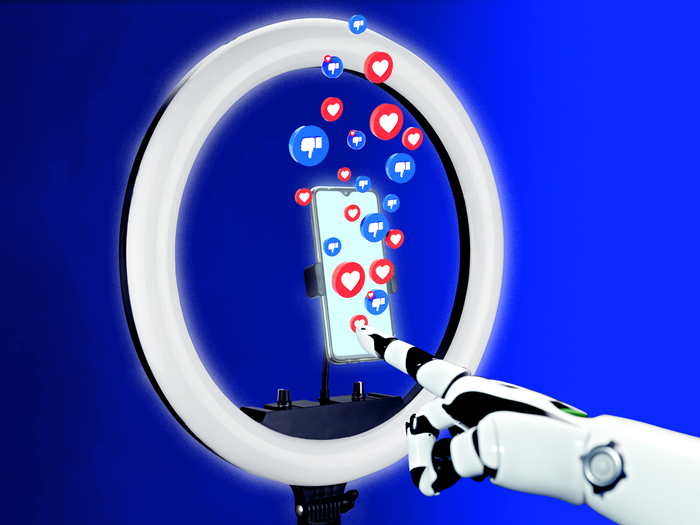
For example, the images in this blog are 100% AI-generated. I'm not thrilled with supporting that, but I absolutely see the value. I use it, but kinda wish I didn't. And I'm not alone. In the past three years, demand for AI acceptance has grown while general desire for AI implementation has shrunk. The story clearly isn't embrace or eliminate; it's intent versus reality and hope versus risk.
Depending on whose research you trust, recent polling shows 57% to 66% of us now interact with or use AI on a daily basis (some measure as high as 79%). There's a world of difference between those two verbs. Statistically, most of our interactions are involuntary or passive, through embedded features of long-visited platforms like Google, Zoom, Wikipedia, or Waze. Conscious AI usage requires logging into ChatGPT, Gemini, Azure, Grok, or one of the 70,000 other AI platforms.
We may feel comfortable asking Siri or Alexa for the weather, but less comfortable letting Magnifi pick our stocks or Monster tell us who's worth hiring. Just because we're told we need something doesn't mean we really want it.
Bottom Line
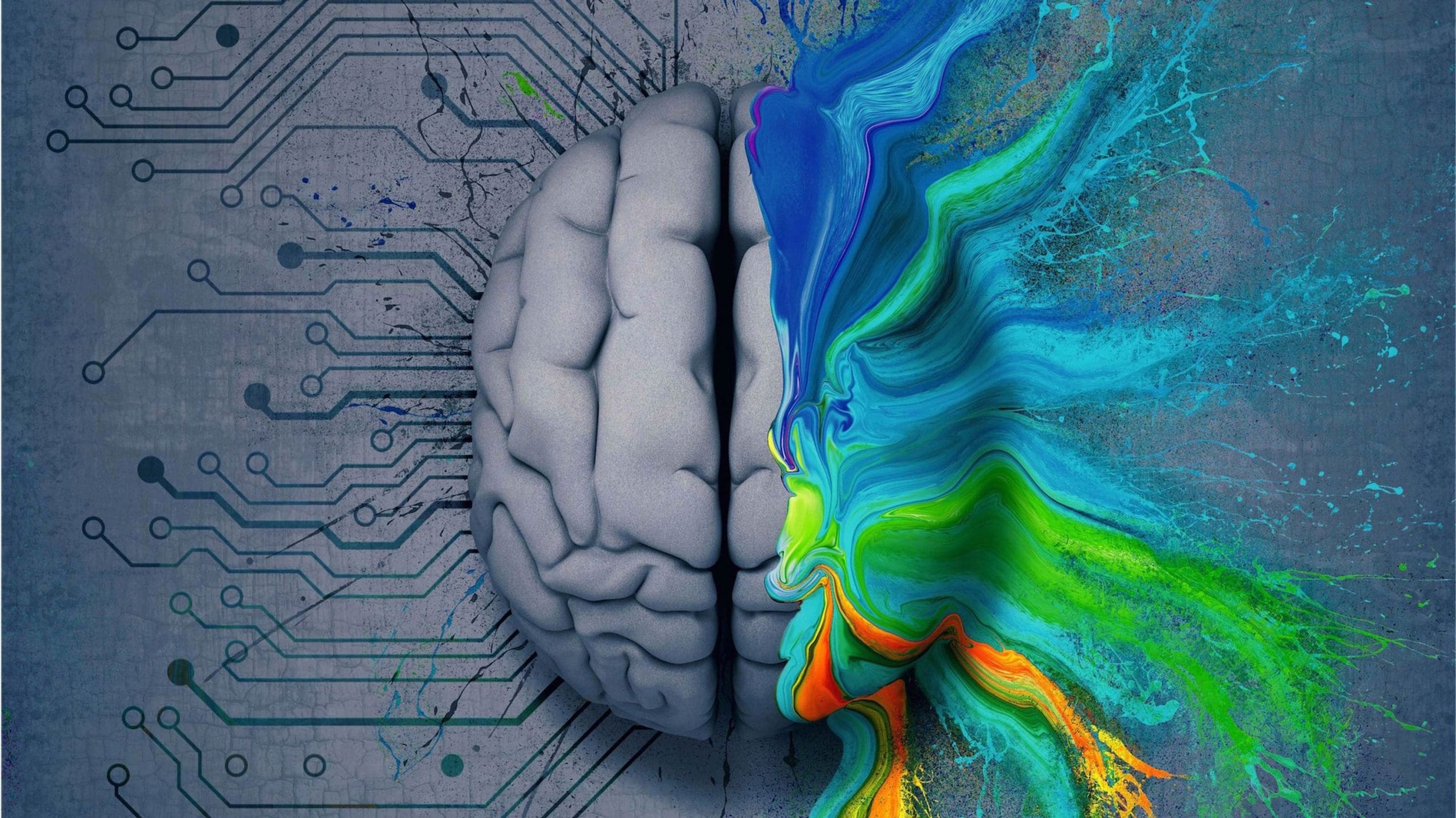
In my presentations and when coaching others on theirs, I stress that it’s not enough for us to tell someone what they should do or buy. They have to recognize and embrace why doing it or buying it adds meaningful value to their lives.
Strong #CorporateStorytelling can quickly face backlash if it doesn't win hearts and motivate committed action. Just because a story is yelled at top volume 24/7/365 doesn't make it automatically worthy or welcome.
Every executive, analyst, and engineer endlessly championing AI and insisting it's necessary and required – including me in my own talks – will do well to recognize three things about their AI stories heading into 2026:
1. We hear what they’re saying, loud and clear.
2. We still don't fully understand why they're so adamant or excited about AI.
3. The value of AI and its payoffs isn't as obvious as they make it out to be, as comprehensive as it should be by now, or compelling enough to get us – or even those leaders doing all that yelling – fully on board.