Power of Perspective in Corporate Storytelling

Leadership is often measured in terms of perceived power and personality strength. The more dynamic, authoritative, and compelling the individual, the more likely they'll be seen as a natural leader. Regardless of whether what they say or do is actually worth following or admiring.
In reality, genuine leadership is measured and maintained by a very different ruler. While power and charisma might suggest authority, true leaders are less about control, dynamism, or proving their worth, and more about uplifting and empowering others.
Perspective matters. It shifts based on individual need and desire. One person's charisma is another person's egotism and vice versa. The stories we choose to tell, publicly from the stage or privately in the meeting room, directly reflect this reality. As they listen to us speak, our listeners' perspectives are deeply personal, shaped by past experiences, culture, and values. When we honor these perspectives in our communications, we lead. When we ignore them to flex our ‘I’m awesome so do what I say’ muscle, we fail the test of leadership.
Who to follow and who to forget

Perspective informs who and what we think our personal leaders ought to sound like. It guides how we hear and assess a speaker or a manager, their communication style, and the content of their presentation or company directive. Perspective helps us choose who to follow and who to forget.
We're always interpreting the message and messenger in terms of their value to our professional and personal lives. How we hear what we hear shapes our thoughts, emotions, and actions as we seek new insights and creative solutions to life's challenges. The leaders we trust align with our wants, tap into our emotions, and inspire us to actionably conquer our own barriers and drive toward our unique vision of success.
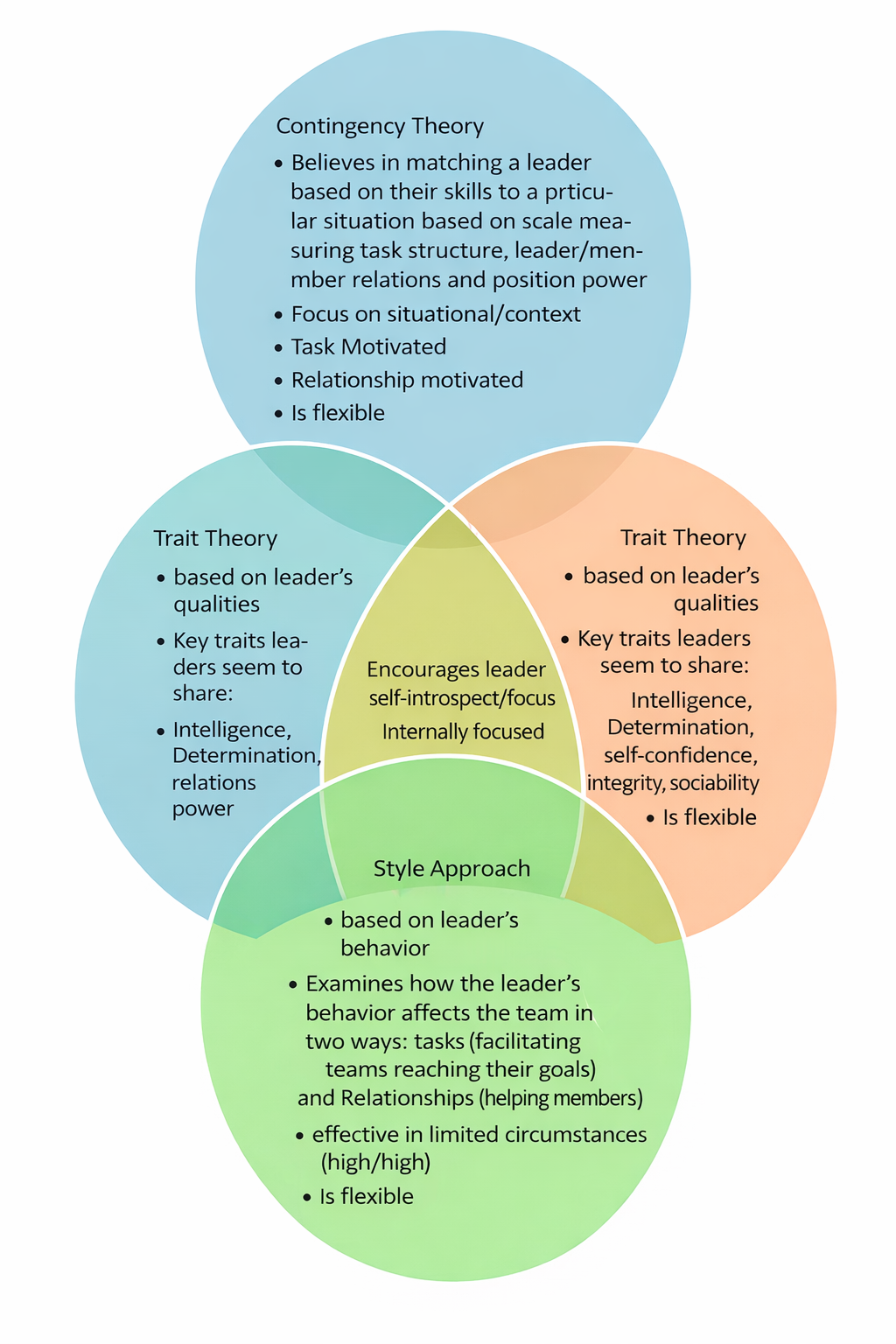
Traits – Behaviors – Contingencies : Three keys to true leadership
In #CorporateStorytelling, that brand of inspirational leadership comes through in three key streams, researched in the Fiedler Model and defined by Rebecca Jewett-Geragosian at USNH: Traits, Behaviors, and Contingencies.
Traits are our inherent qualities as we speak or lead, such as obvious intellect, confidence, competence, and natural charisma that compel and make us sound effective.
Behaviors are how we communicate with others in ways that are clear, honest, task-oriented/relationship-oriented, and inclusive. Our behaviors mirror our audience's/team's desire for improved status or performance.
Contingencies prove we can read a room and adapt to realities in the moment as we speak and in the words we choose. Each engagement – and how our audience perceives it – relies on us acknowledging and maximizing both situation and circumstance.
Together, these three factors govern perspectives on both leadership quality and follower dynamics.
Bottom Line
What we say is often less important than how we say it. We want people to listen to our story, to value us as storytellers, and to let our vision guide them to their next win. That requires shaping our content to match their perspectives.
For employees or attendees to view us as worthy leaders, our story has to be meaningful and effective, but also inspirational and recognizable. When we learn to shift away from structured, strict information or corporate command, and toward shared vision/strategy, ethical/moral grounding, and holistic understanding/respect, we prove influence and foster engagement. We lead best when we uplift most.