Lead With the BLUF

The reason most customer or leadership presentations go off the rails isn't bad content; it's bad structure. Structure creates clarity, so if the structure of a message is weak, the point of the interaction isn't clear. And the higher up the organizational pyramid our audience sits, the less time and patience they have to understand what we want from them, and why they should give it to us.
The best structure to create context, win buy-in, and increase engagement in every meeting or session is BLUF: Bottom Line Up Front. And like so many proven structural guidelines for successful business communication strategies, we have Barbara Minto to thank.
Don’t blame the audience – blame the structure

Minto developed BLUF in the late 1960s during her time at McKinsey & Co. While most know The Pyramid Principle, they don't recognize BLUF. Which is a shame since standard presentations structures usually fail their audience rather than lead to success.
Typical pitches rely on an outdated academic slide and script structure: Agenda > Background > Methodology > Market > Data > Financials > End with the recommendation.
This is a widely accepted and practiced flow. Sadly, it all too often loses connection and kills investment. As the speaker hyper-focuses on their long buildup, the audience is trying to guess where the conversation is going. Most audience’s check out by slide three, long before the presenter gets to their logical conclusion.
By holding the payoff for the end in order to create suspense or lay out the entire argument first, the listener gets impatient and frustrated. If that listener is a C-suite or executive, the meeting isn't just over, the opportunity is likely lost forever.
If we're the one making that pitch or ask, it's easy to read this as nerves or a “difficult audience” or maybe bad timing. But the problem isn’t them; it’s our story structure. Because we haven't offered our audience the answer, they’ve forgotten the question.

Prove Value First
So why doesn't everyone know and deploy the BLUF structural approach? I've coached thousands of speakers and many think that starting with the conclusion weakens their argument because they haven’t had a chance to fully explain themselves yet.
Bottom Line Up Front—what I call Prove Value First in my training programs—isn't giving away the farm at the outset. It creates a clear, compelling road map that gifts the listener with our full plan's overview, then allows them to navigate the full journey along with us.
The executive brain gets exactly what it needs to care, then track our message from the start to wherever we want to lead them.
The BLUF structure plays out like this:
1. State the recommendation immediately, slide one, sentence one. The audience knows exactly what's at stake, what the proposed destination looks like, why it benefits them, and the exact goals for the meeting or session.
2. Follow with three supporting arguments for why this is the right way to go and your confidence in how to get there. No data yet, just the actions that will achieve the outcome. Three plays to human memory limits without having to track too many ideas at once; more than three compete with rather than build on each other.
3. Offer two or three pieces of data that directly support and prove each argument. These can be KPIs, metrics, customer success stories, whatever demonstrates your credibility and plan to achieve the intended target.
Bottom Line
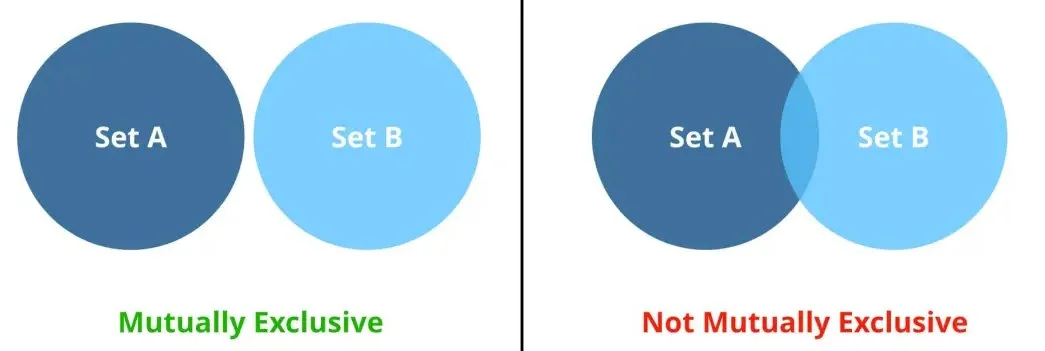
One more Minto gem to add. Which she credits to Aristotle. MECE stands for Mutually Exclusive, Collectively Exhaustive. Simply put, finish one idea before starting another. Keep each piece of your data tied to one and only one argument. And finish all data for that argument before moving on to the next argument and its associated data. Even more clarity, even less potential for confusion.
BLUF elevates your story structure. Prove Value First helps others understand your message and track your thinking. It establishes context for your data and processes, and gives your customer or executive leadership the perspective they need to lean into you and your significance. Bottom line? Get the powerful conclusion up front and watch how that restructure changes your next client call.