AI is All the Rage. Humanity is All the Time.

I've been telling the corporate stories of Fortune® brands for decades, more than 20,000 presentation on thousands of different product, platform, and market messages. Suddenly the foundations have shifted and each time I step on a stage or in front of a camera the subject is always centered on, around, and within the evolution and revolution of AI. My clients bring the tech, then hire me to bring the human side of the story.
Which isn't easy. While AI is evolving industries, enhancing productivity, and in some cases, outperforming human averages, it presents very real, very controversial risks in job displacement, cognitive decline, ecological impact, and existential transformation. Telling the net-plus side of AI's inevitability to humans can be delicate, challenging, even morally questionable. But, like any speaker, it's my job to make the scary reassuring, and turn doubt into confidence.
Storytelling and the 30% Rule

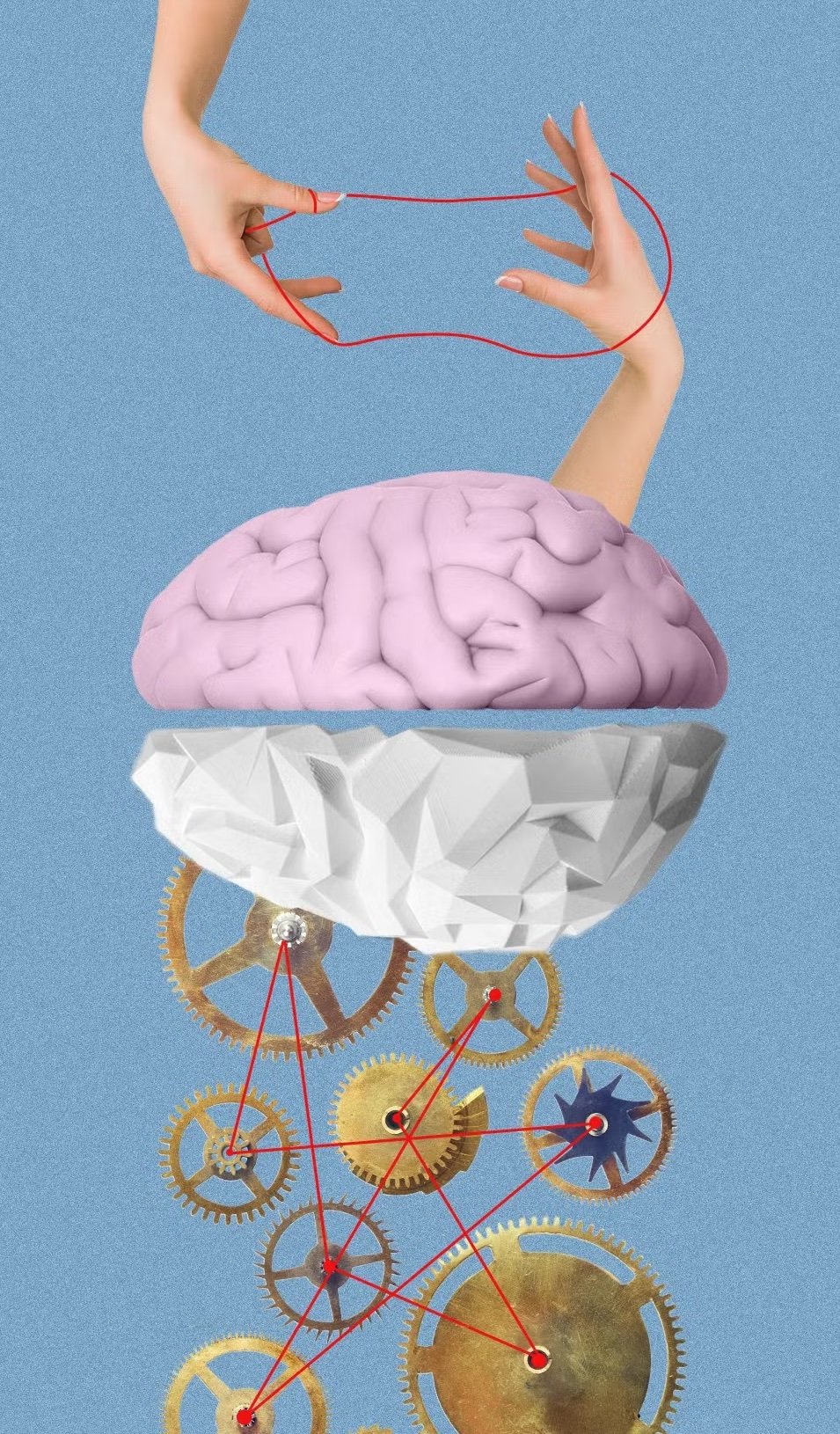
The 30% rule in AI suggests technology "should" handle roughly 70% of repetitive tasks, while humans control the remaining 30% requiring creativity, ethics, and judgment. In reverse, humans should do 70% of the core complex work, and AI should tackle the 30% connected to tedious or repetitive assignments.
The goal is to balance machine efficiency with human oversight, ensuring AI augments rather than replaces critical thinking. Smart integration versus full automation. But that's an iffy vision to sell to employees worried about their jobs and self worth.
In healthcare, the 30% rule means AI will detect anomalies in scans (70%) but a doctor makes the diagnoses (30%). In customer service, AI manages all the day-to-day routine data (70%) while human agents focus on strategic relationships (30%). In scientific discovery and systems design, AI generates foundational coding (70%) then an engineer adjusts and hones the deliverable logic (30%).
Framing the Net Win
At the 2026 World Economic Forum in Davos, Accenture CEO Julie Sweet urged leaders to prioritize human-centric AI deployment. In other words, lose the "AI everywhere" mindset and put AI where it's actually needed. Sweet believes the “future of AI and companies (keeps the) human in the lead.” Quite the conundrum when today's leaders are managing more technology and fewer people.
Sweet is talking the game I’m paid to play when discussing the benefits of AI to an industry feeling extreme pressure to adopt and adapt, but still not clear on trust or outcomes. This is the careful "human first" #CorporateStorytelling I deliver from the stage or into the camera lens.
How we frame our content – for the breakout stage or leading a team meeting – can create inspiration or stoke fear, invite acceptance or breed avoidance. When we lead with numbers and data, the employee becomes irrelevant. When we lead with personal value and long-term benefit, that employee gets excited and eager for what comes next.
My frequent role as a speaker these days is to impart why AI is not an enemy to the workforce, one that’s blindly and brutally killing jobs and forcing restructuring around smaller, weaker teams. The brands I represent ask me to share AI's progression as a net win when companies restructure their teams for better processes that open opportunities for more human engagement and personal productivity.
Bottom Line
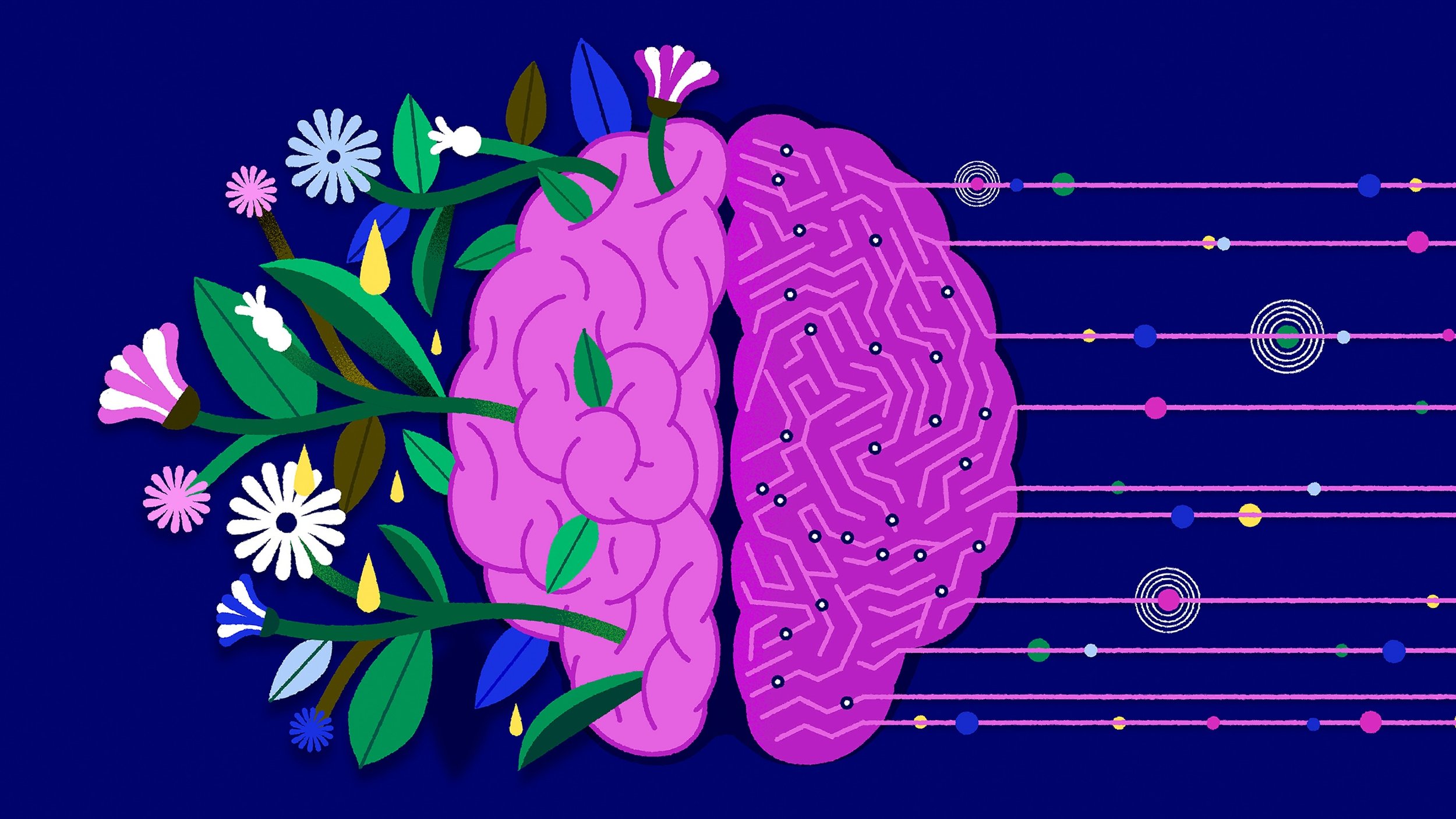
The human story of AI is told around meaningful, responsible growth for intelligent brands who keep people at the center of their AI adoption. The smartest and savviest will use AI as an addition to a strong workforce, not instead of one.
We can – and must – apply this same strategic thought to every topic we speak on, and in every engagement with our customers and teams. Lean into the humanity rather than the complexity. Adapt to celebrate the individual as they embrace the technological.
Advancements never stop. Trends like AI and so many before it have transformed our societies again and again. What never changes is the human element. Speak to that human, and the story will sell itself.