The Content Endowment Effect

You're helping a friend move, sorting through 50 boxes deciding what gets kept and what gets tossed out. You say, “You don’t have room for all this.” Your friend says, “But I need it.”
Box one is loaded with unread magazines going back two decades. You argue, “You haven’t read these and never will.” Your friend looks at you like you've just suggested abandoning one of their children. “There’s some great articles in here I want to read. Keep it.”
The next box is filled with old cables, laptops, remote controls, and chargers for phones nobody has owned since 2009. “These can go, right?” “No, I need to get old photos and data off those drives before donating them.”
The third box is every tax return and receipt going back to the Clinton administration. “The IRS can only look back seven years.” “Yeah, but you never know. KEEP.”
47 boxes to go.
Hoarding, right? Not necessarily. Because while you’re looking at boxes of useless junk, your friend is looking at personal belongings and valued history. Behavioral economists call this the endowment effect, when ownership changes perceived value. We tend to prize something more simply because it's ours. And if it’s ours, it must be important and worthy of inclusion.
Now view the endowment effect through the lens of a speaker. We do the same thing with our presentation content. Every bit of data, every dashboard, every description, all vital. All worth including. All 50 boxes.
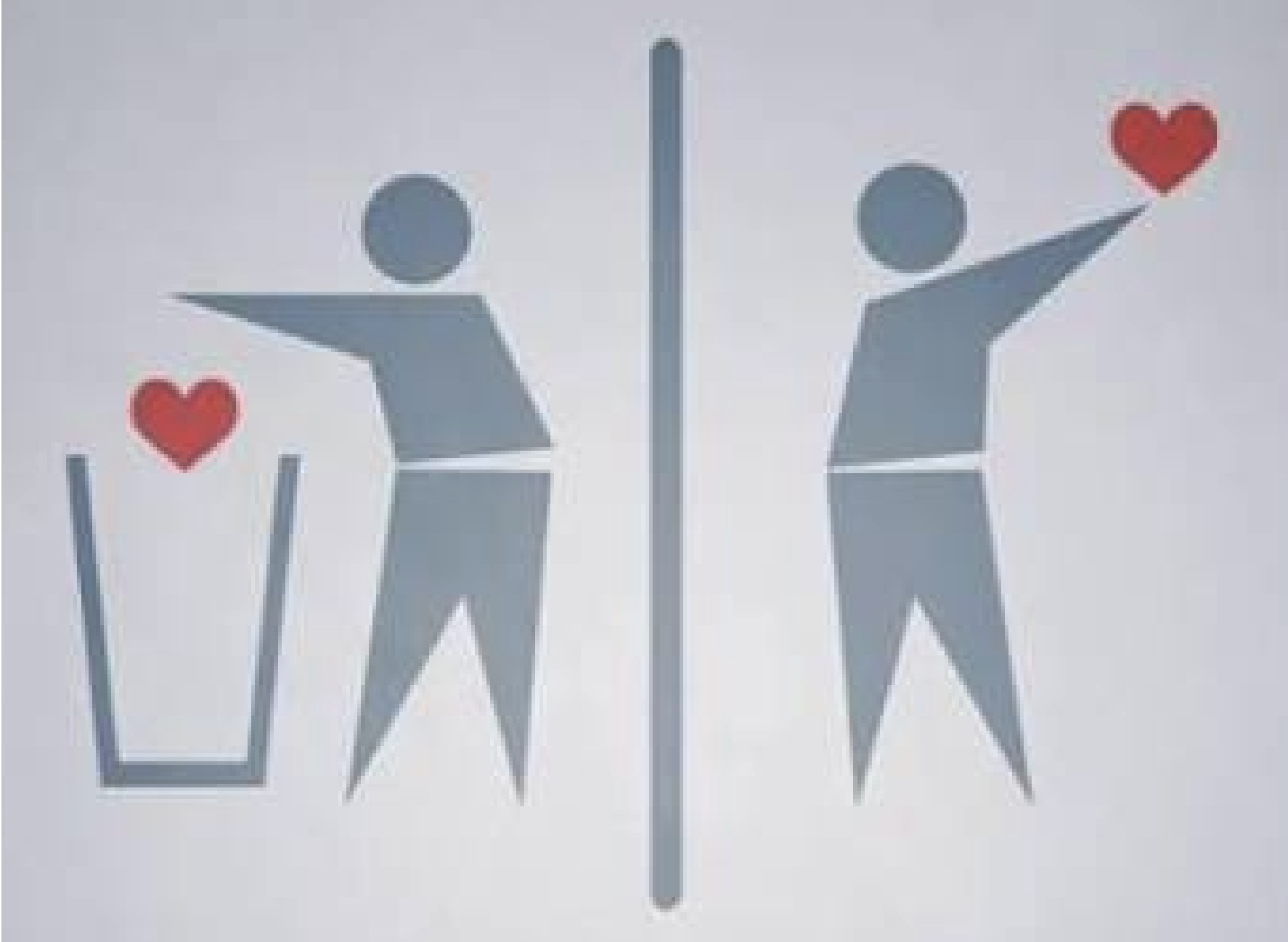
One man’s trash is another man’s treasure
Think about the last presentation you built. That 61-slide PowerPoint. The research you spent three months collecting. The spreadsheet with 28 columns. The chart showing every quarter since 2017. The methodology slide, seven product features, organizational history, and appendix that somehow escaped from the appendix and ended up back in the script.
Think about the last presentation you built. That 61-slide PowerPoint. The research you spent three months collecting. The spreadsheet with 28 columns. The chart showing every quarter since 2017. The methodology slide, seven product features, organizational history, and appendix that somehow escaped from the appendix and ended up back in the presentation.
A colleague asks, “Do we really need this slide?” and suddenly you’re back in the garage, thinking, “YES. That's important.” To you. You collected it, analyzed it, argued about it, sat through meetings discussing it. You know why that number moved in Q3, and the customer who caused you to change the product. You understand every acronym and own each bit of data.
But your listener doesn't. And they see no value in sorting through every box. The endowment effect causes too many speakers to overwhelm too many audiences with far too much information. Because it’s all “too important” to leave anything out.
Nobel Laureate, Richard Thaler, who coined “The Endowment Effect” in 1980, suggested that what we view as meaningful, others often view as clutter. His exact words: "The things you think are valuable, other people think are garbage." While we can’t say most of a speaker’s content is garbage, research proves that the majority of our content doesn’t truly matter an audience. So despite our personal attachment, much of it is best left out of the presentation.

The Curse of Knowledge
At the same time, a speaker’s expertise adds fuel to the fire. Not only is everything important, we also know more about it than anyone else. And the more we know, the worse we are at transmitting our knowledge to others. Researchers call it the curse of knowledge; once we see something as valuable, we're surprisingly bad at recreating that perspective for someone who doesn't see it the same way.
Better-informed people often have difficulty setting aside how much they know, even when doing so would make them more successful at communicating that information to a listener. We look at our presentation and see amazing context. Our audience sees overwhelming content. We see the last six months of client success behind the chart. They see twelve blue bars. We see a fascinating strategic nuance. They see slide number 34.
Just because we’re expert at something doesn’t mean others share our expertise. Or the desire to achieve that expertise for themselves. The value of information isn't determined by the person who currently understands it, but by the person who doesn’t and needs to. Avoiding our curse of knowledge means speaking at our audience’s level of experience, then slowly raising them up alongside us.
Bottom Line
Our job in any breakout session or executive review or leading a team meeting isn't to move everything sitting in our informational storage boxes into somebody else's garage. Or to turn those audiences into equal experts on our area of specialty.
Our job is to decide what’s genuinely worthy of keeping, and what can and should be thrown out. What will realistically enhance their lives, and what will just waste space or distract from the things that matter. What’s actually valuable compared to what seems important just because it belongs to us.